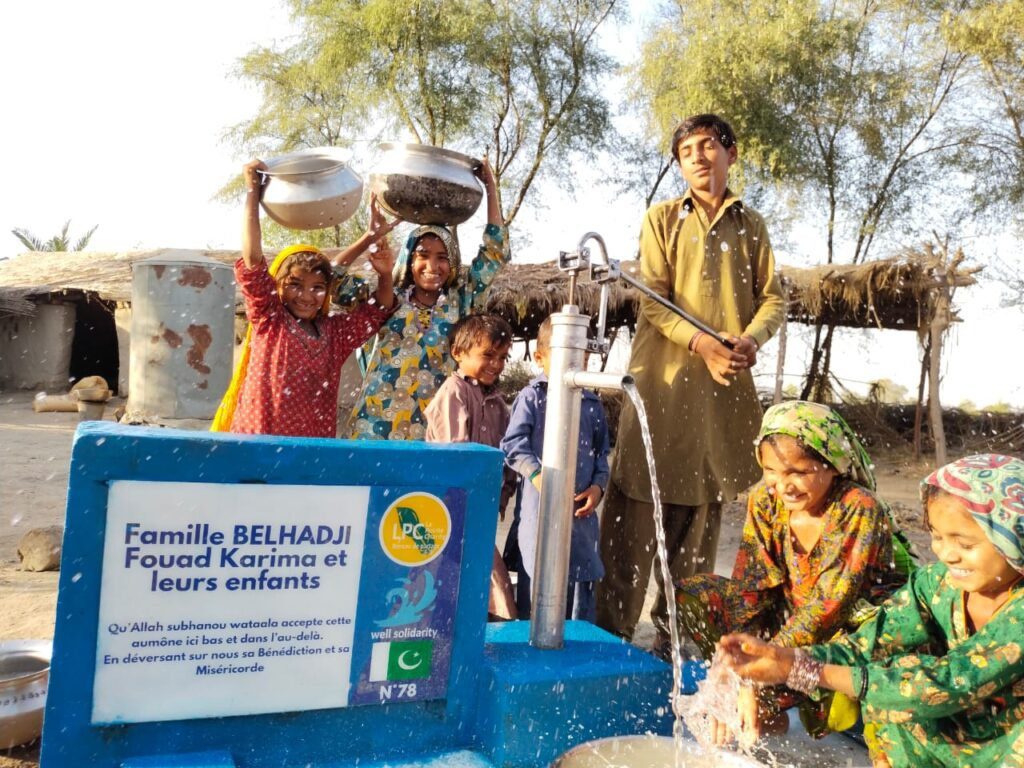
Sadaqa, a form of voluntary charity in Islam, is a powerful way to help those in need. Unlike zakat, sadaqa can be given to anyone including animals. We will look at who can receive sadaqa, the different types of sadaqa, and how your generosity can have a lasting impact through initiatives such as building wells with Well Solidarity.
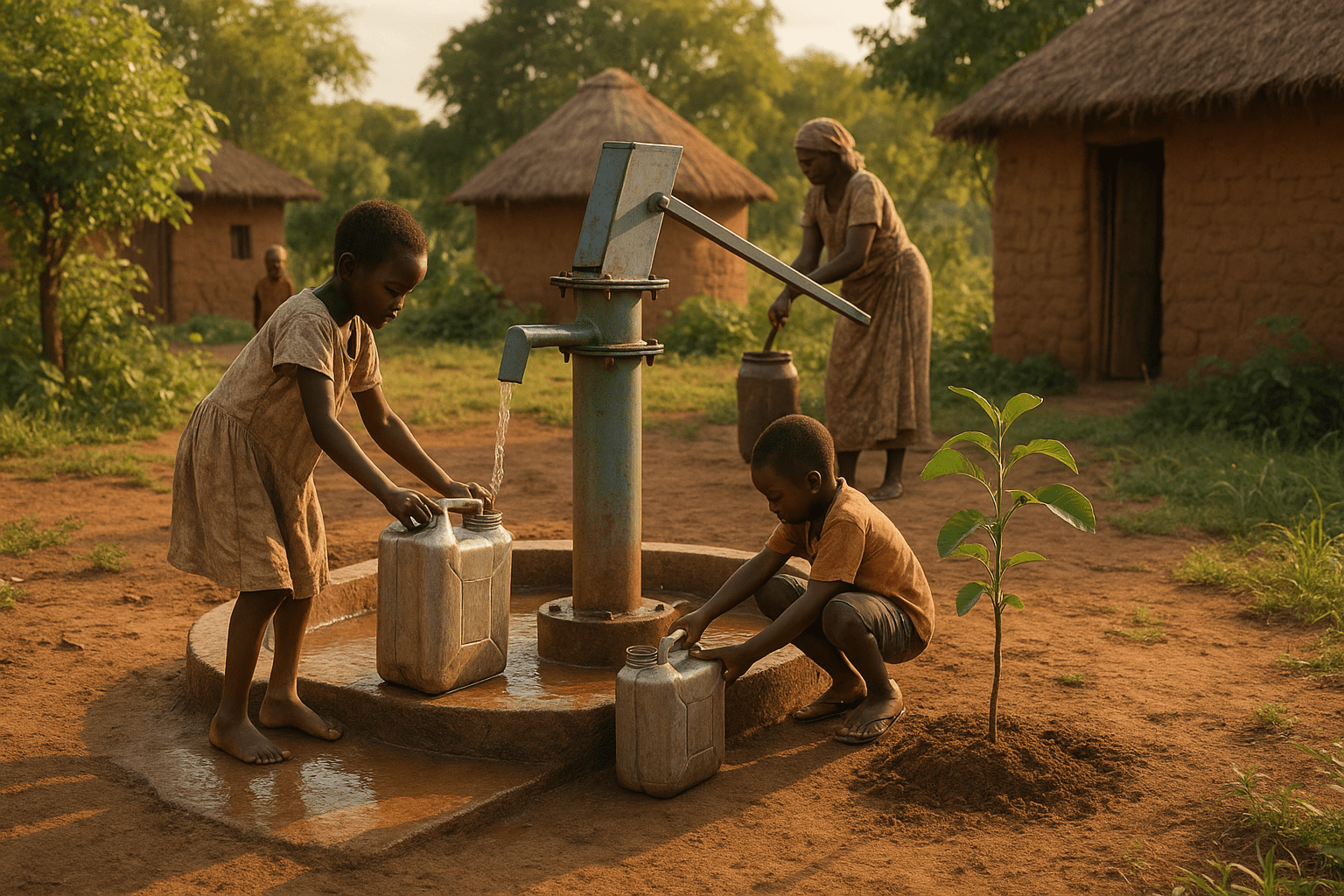
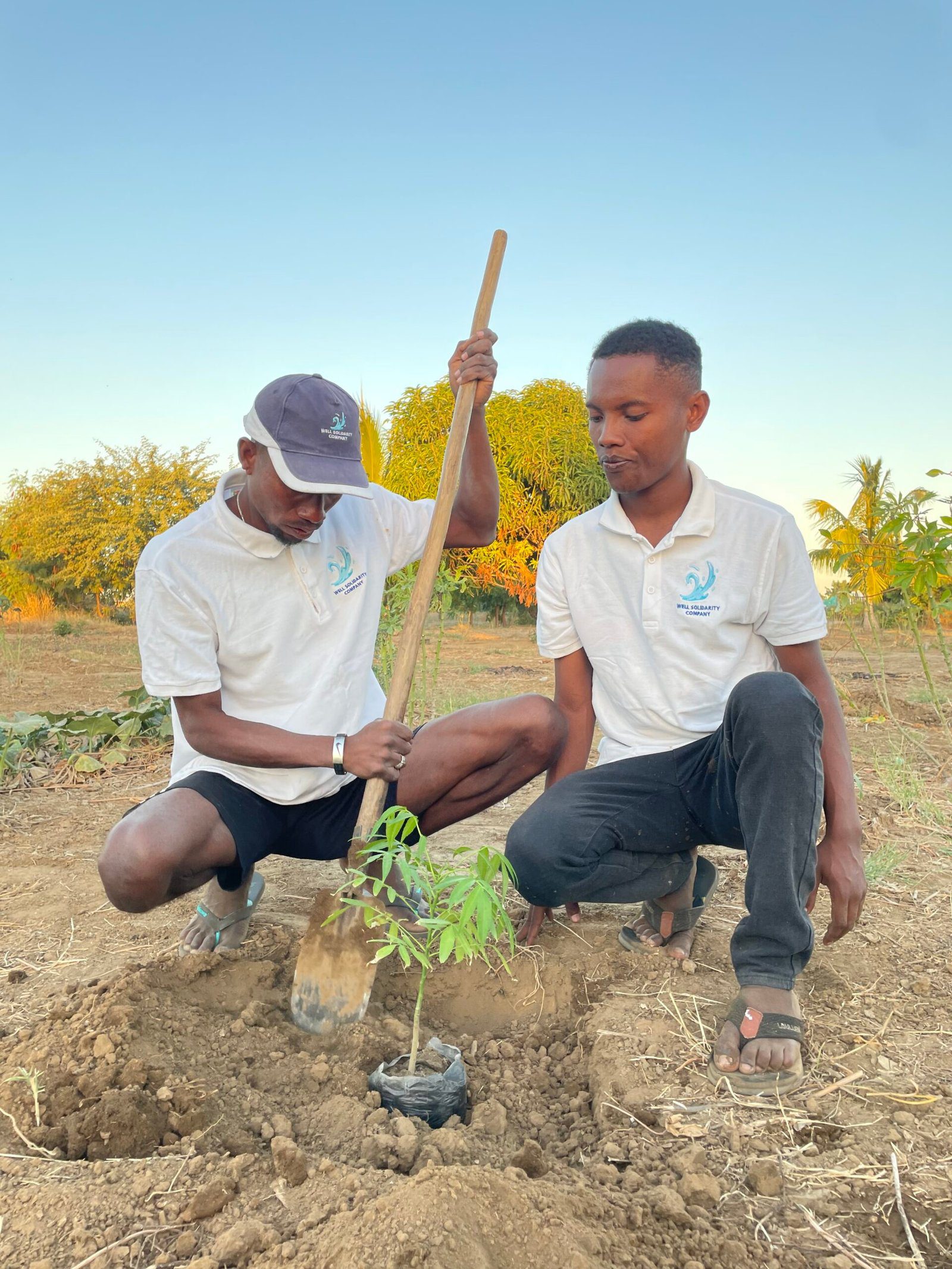
“If a Muslim plants a tree or sows a field, and humans, animals, or birds eat from it, it is regarded as charity from him.”
Muslim
Introduction to Sadaqa
Sadaqa is a form of voluntary charity in Islam that can be given to any person or living creature in need. Unlike zakat, which is a religious obligation, sadaqa is voluntary. It can be given in many forms, such as money, goods, services, or even a simple smile.
Benefits of Sadaqa
Who can receive Sadaqa ?
Anyone in need can receive sadaqa. This includes the poor, orphans, widows, the sick—and even animals. A well-known hadith reports that the Prophet Muhammad (peace and blessings be upon him) said: “If a Muslim plants a tree or sows a field, and humans, animals, or birds eat from it, it is regarded as charity from him.” (Muslim)
Examples of beneficiaries
- Orphans: Providing shelter, food, and education.
- Widows: Helping with financial needs and employment opportunities.
- Refugees: Offering relief during war or crisis.
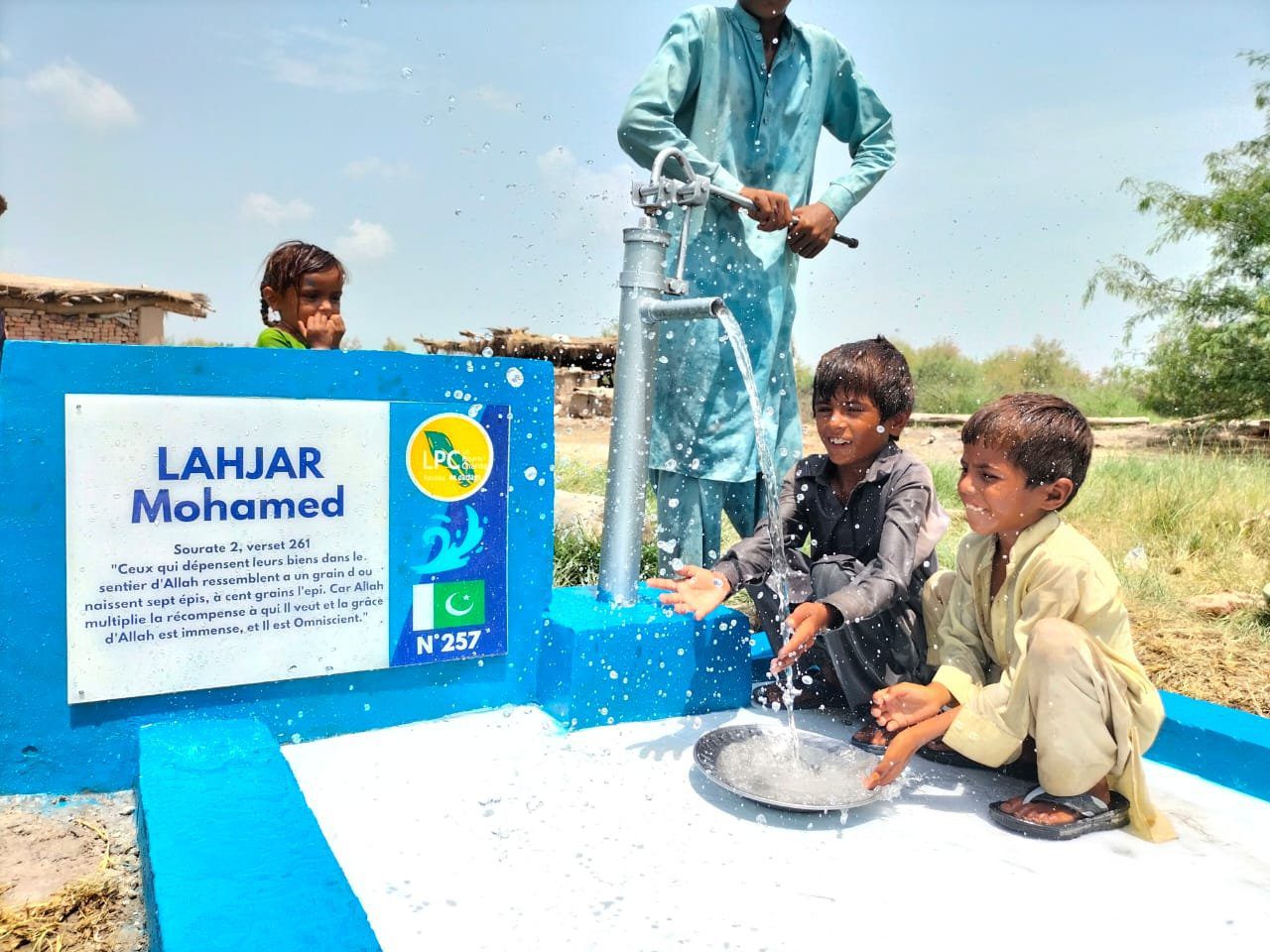
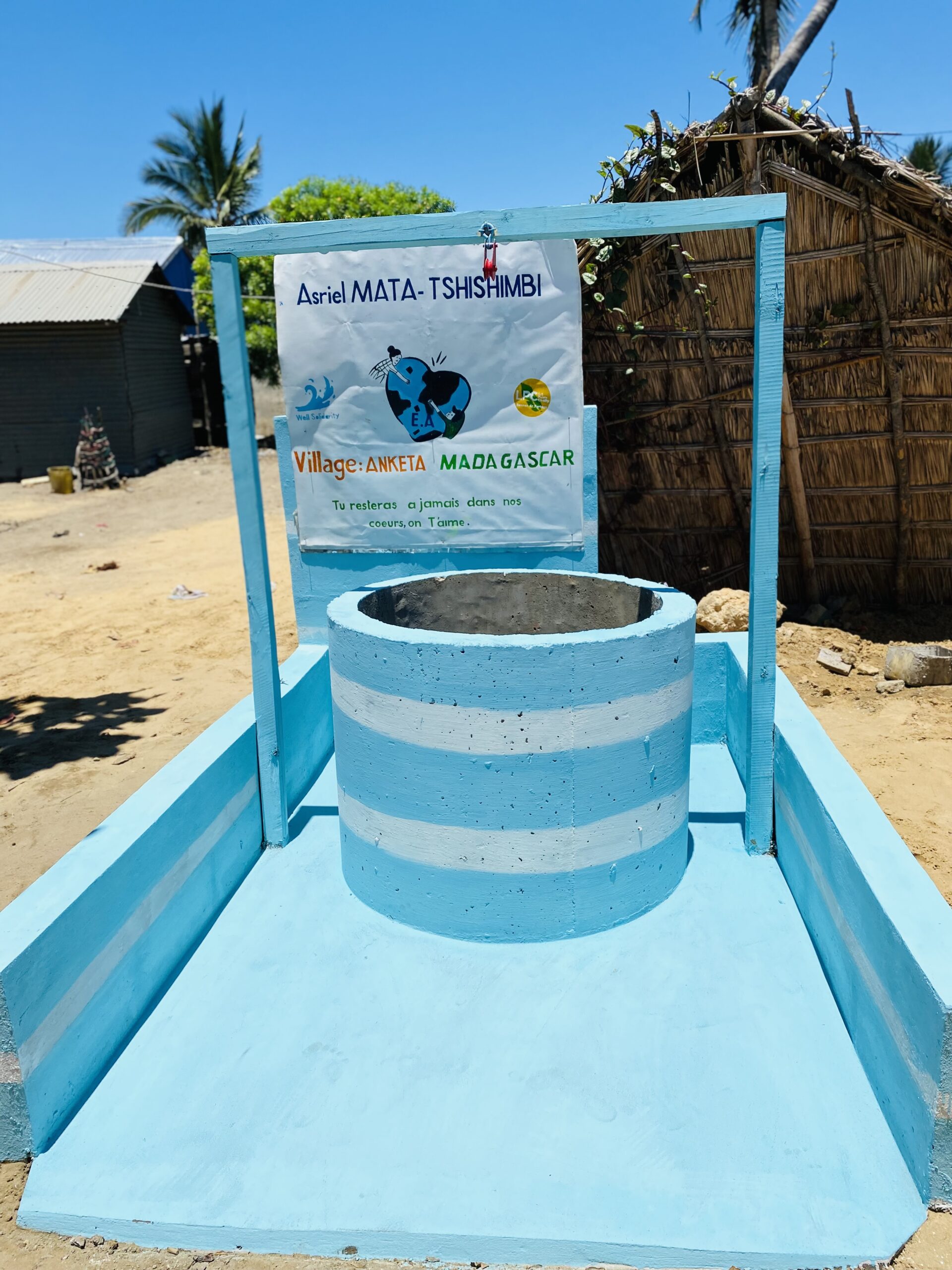
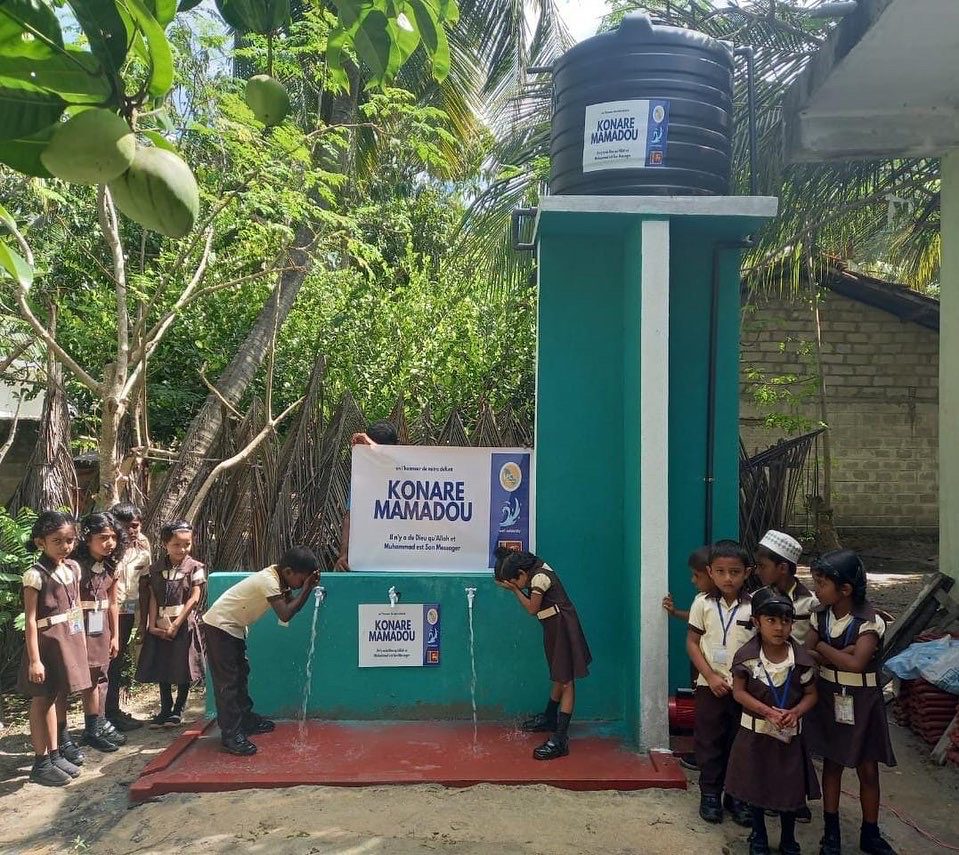
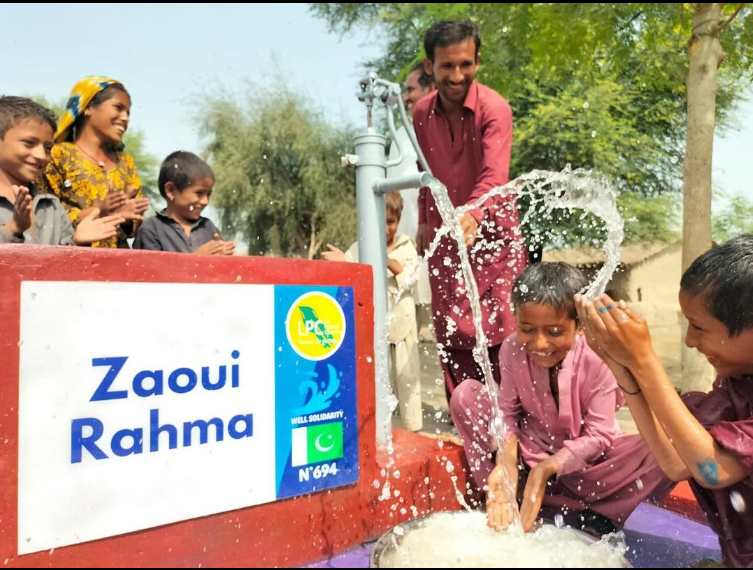
- Rural communities: Improving living conditions through the construction of wells and other infrastructure.
Types of Sadaqa
Sadaqa Jariya: A lasting charity
Sadaqa jariya is a form of charity whose benefits continue over time. For example, building wells, supporting education, and planting trees. These actions provide long-lasting, ongoing benefits to those who receive them.
The daily sadaqa
Daily sadaqa can include small actions such as giving food, offering water, helping someone with a task, or simply smiling at someone. It can also include donating clothes, food, books, and any other material goods that can help those in need.
The importance of sadaqa jariya in Islam
The Prophet Muhammad (peace and blessings be upon him) consistently encouraged Muslims to give sadaqa. Another hadith reports that he said: “The one who strives to support widows and the poor is like the one who strives in the cause of Allah.” (Bukhari)
Muslim
The impact of Sadaqa on society
Sadaqa plays a crucial role in improving the living conditions of underprivileged and vulnerable people. It helps reduce poverty, improves access to education and healthcare, and promotes a more just and compassionate society.
How to give sadaqa ?
Different ways to give
- Give online: Many organizations or businesses accept online payments for various projects.
- Give directly: Give money or goods directly to people in need.
- Support community projects: Contribute to local initiatives such as building wells.
Best practices for giving sadaqa
- Verify an organization’s credibility: Make sure the organizations you support are trustworthy.
- Give regularly: Make sadaqa a consistent habit.
- Give thoughtfully: Choose projects that will have a lasting impact.
The Role of Well Solidarity
Our well-construction projects
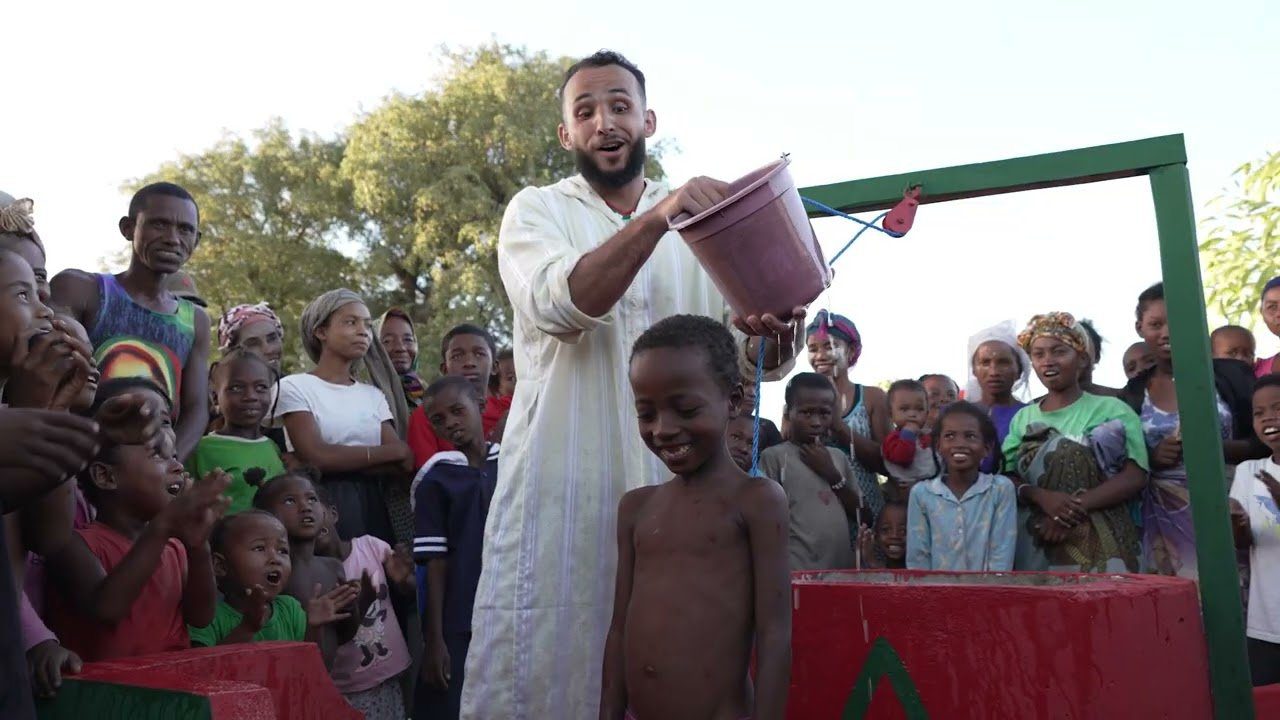
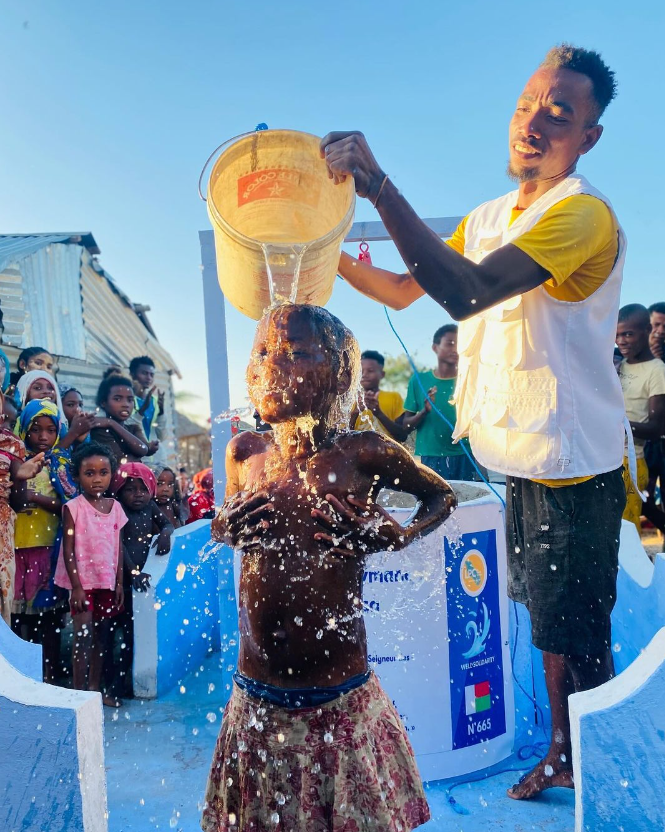
At Well Solidarity, we are committed to providing clean drinking water to rural communities by building wells. These wells significantly improve living conditions and allow residents to focus on other important aspects of their lives, such as education and work.
How are your purchases used ?
Your purchases help fund the construction of wells, purchase the necessary materials, pay local workers, and support the Well Solidarity team. Each purchase directly contributes to improving the lives of multiple families.
Sadaqa and Sadaqa Jariya in Sustainable Development
At Well Solidarity, we are committed to providing clean drinking water to rural communities by building wells. These wells significantly improve living conditions and allow residents to focus on other important aspects of their lives, such as education and work.
The concept of sustainable development
Sustainable development aims to meet the needs of the present without compromising the ability of future generations to meet their own needs. Sadaqa Jariya fits perfectly within this approach by creating long-term, sustainable solutions.
Examples of sustainable projects
Building wells: Providing clean drinking water and reducing water-related diseases.
Planting trees: Fighting deforestation and improving the environment.
Education: Funding schools and educational programs for underprivileged children.
FAQ on Sadaqa
Anyone or any living creature in need can receive sadaqa, including the poor, orphans, widows, and even animals.
Sadaqa jariya is an ongoing charity that provides lasting benefits such as building wells, supporting education, or planting trees that continue to help people even after the donor has passed away.
Building wells provides clean drinking water, reduces water-related diseases, and improves living conditions in rural communities—allowing residents to focus on other important aspects of their lives.
Choose a trustworthy, transparent organization like Well solidarity that guarantees backed by evidence that your well or tree project has been carried out.
Conclusion
Your generosity through sadaqa and sadaqa jariya can transform lives and create a lasting impact. By supporting initiatives like those of Well Solidarity, you contribute to a better future for entire communities. Together, we can make a meaningful difference.