Build a Community Well 💧

Excellent!
[get_acf_subfield field="trustpilot" post_id="option" path="note"] out of 5 based on
[get_acf_subfield field="trustpilot" post_id="option" path="nombre_davis"] reviews
1 210£
Illustration de trois personnes avec des étoiles.
Up to [get_acf_subfield field="puits_communautaire" post_id="option" path="nombre_beneficiaires"] beneficiaries
Icône de puits avec seau.
Construction time [get_acf_subfield field="puits_communautaire" post_id="option" path="delais"]
Share :

💧 Deep groundwater access: thanks to drilling that can reach up to 80 meters, this well taps into a deep aquifer and provides clear, reliable water.

👥 Up to 900 beneficiaries: designed for large villages, schools, or mosques, it meets the daily water needs of hundreds of families.

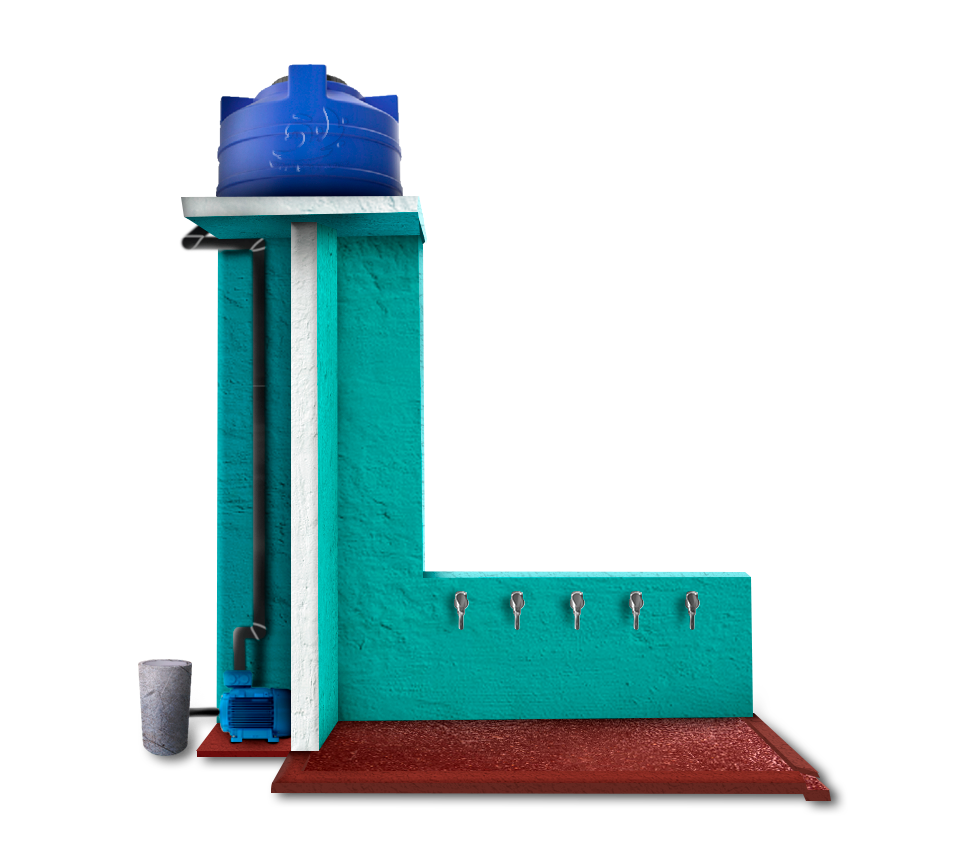
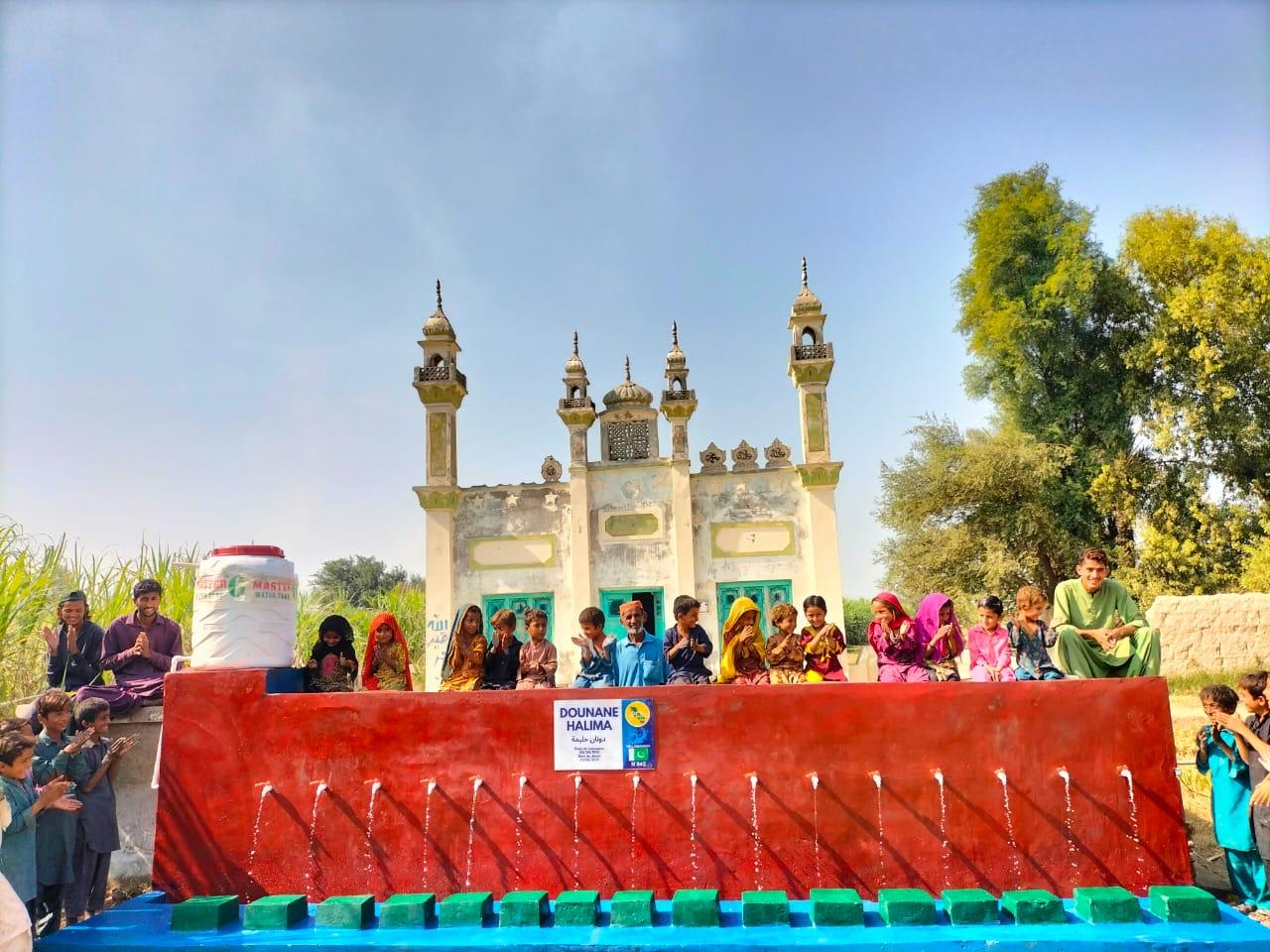
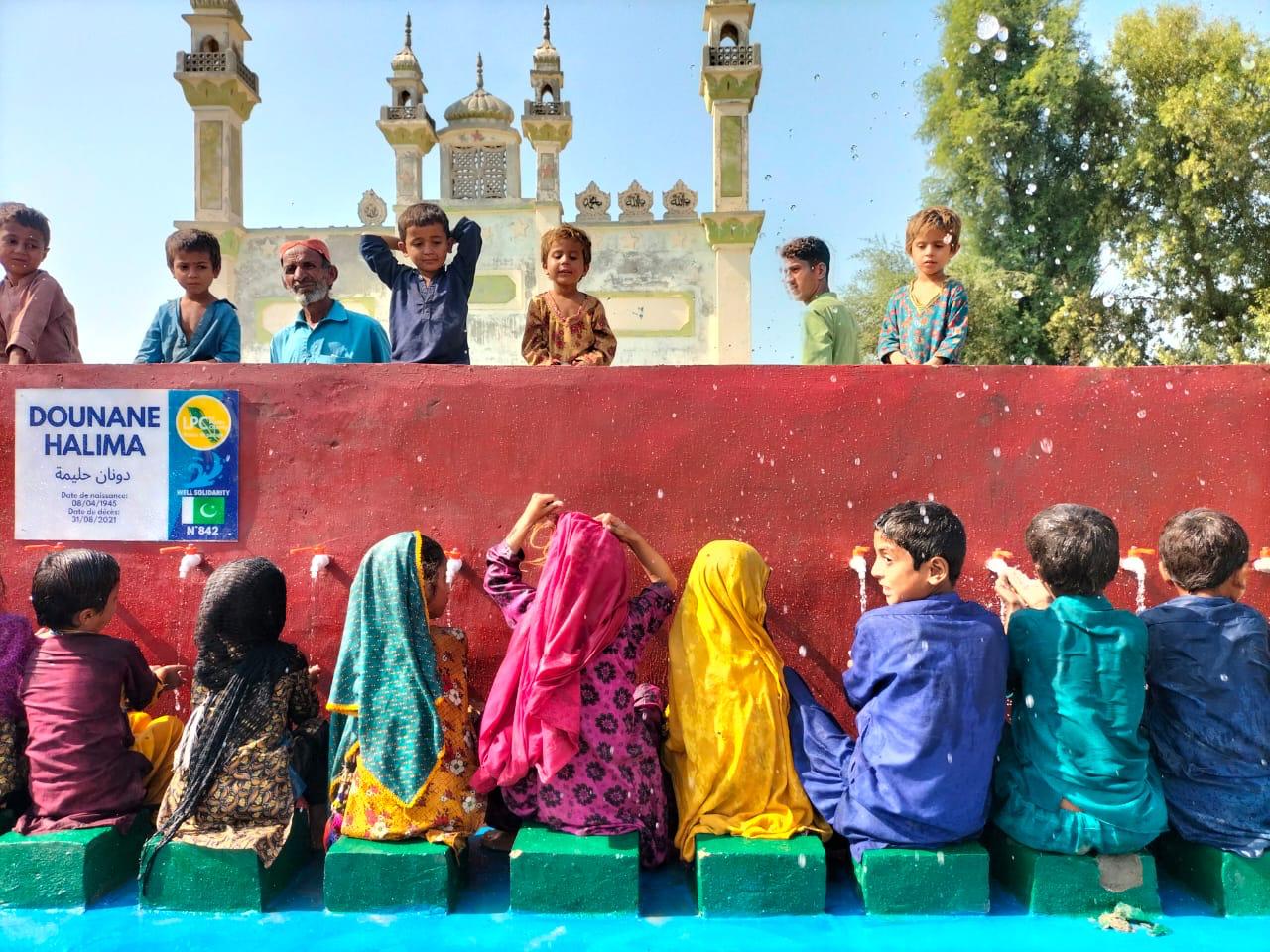
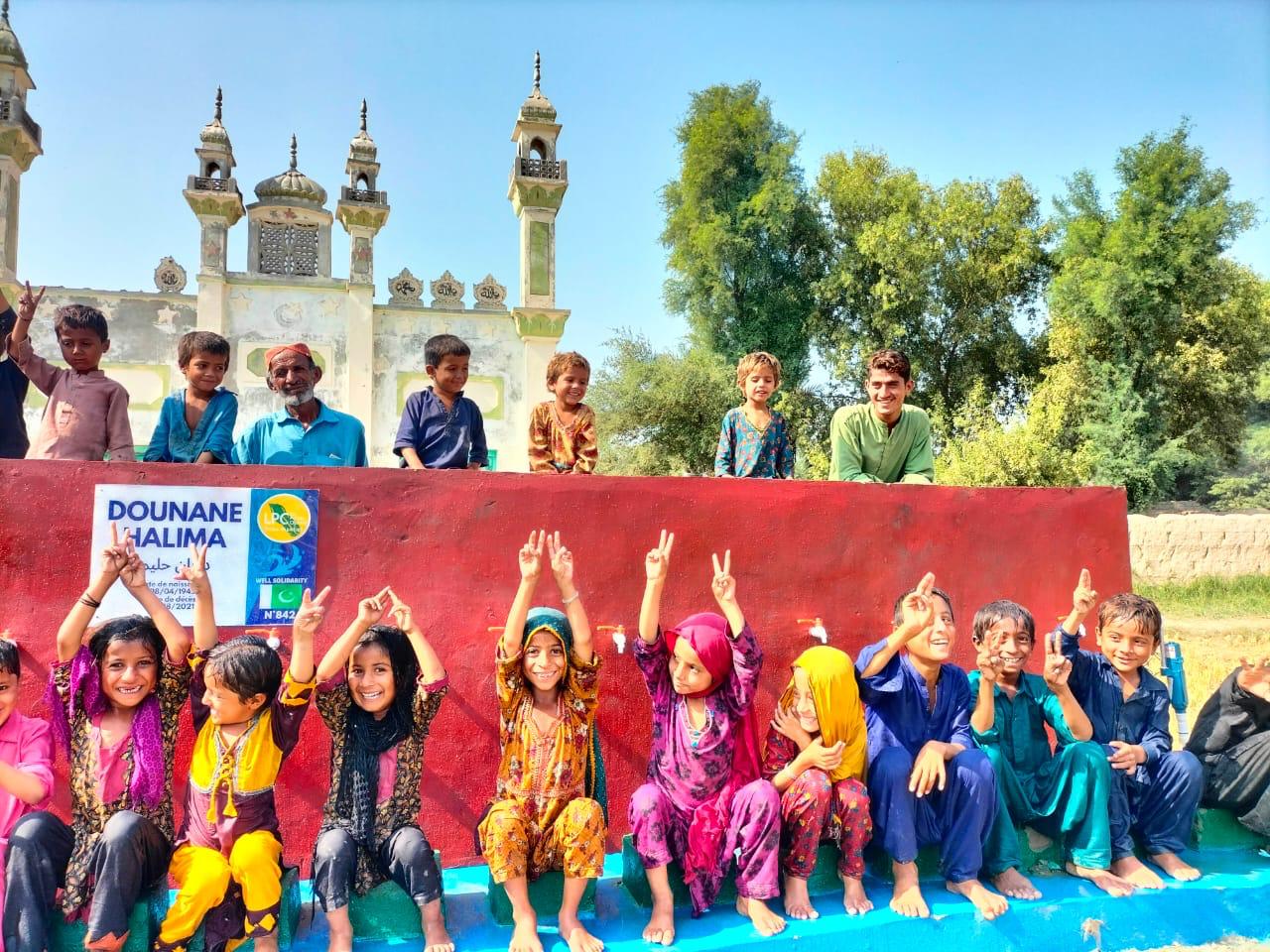
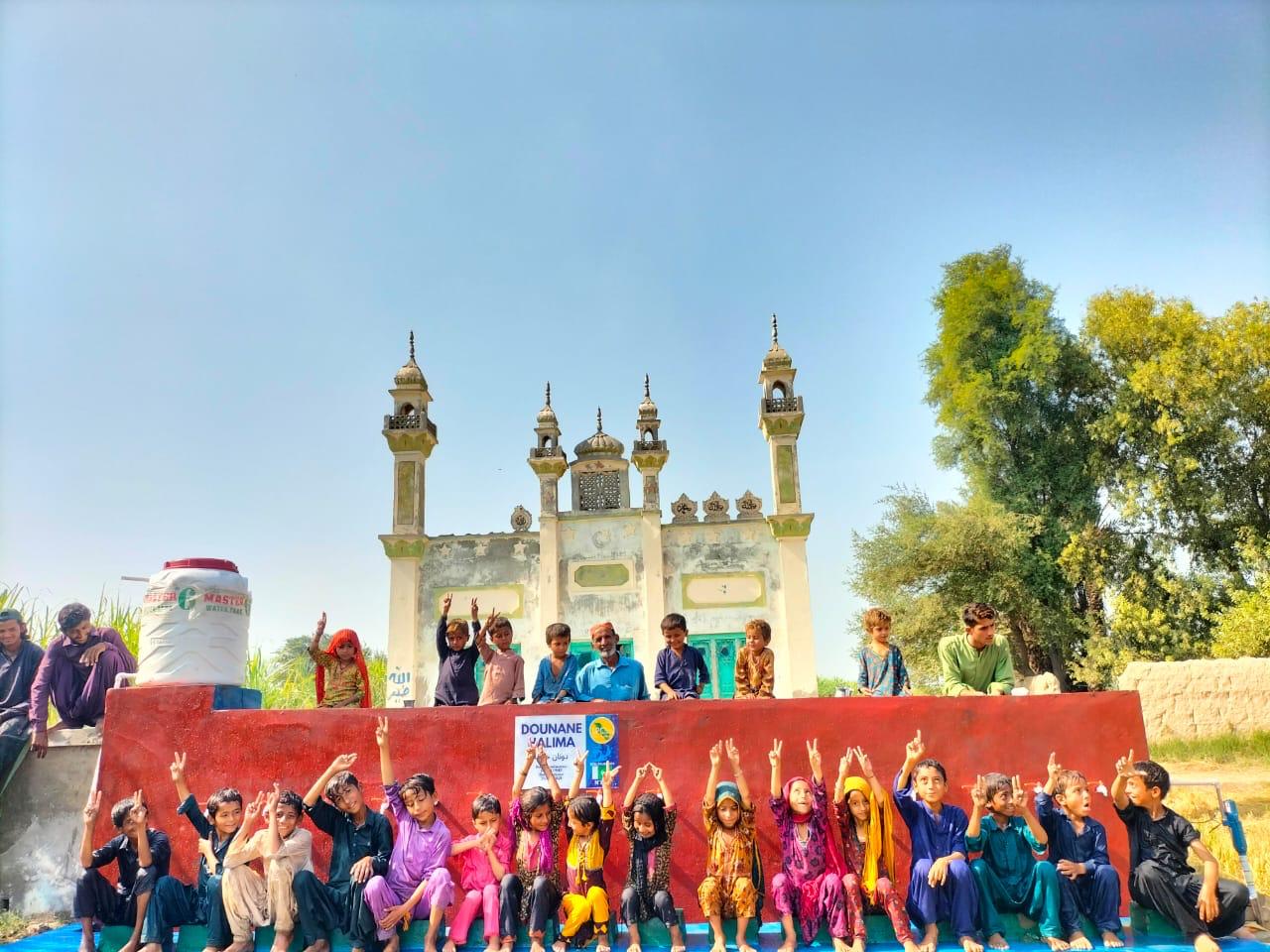
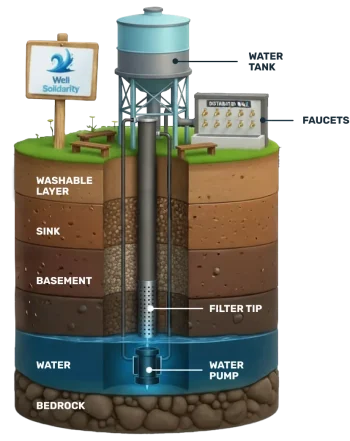
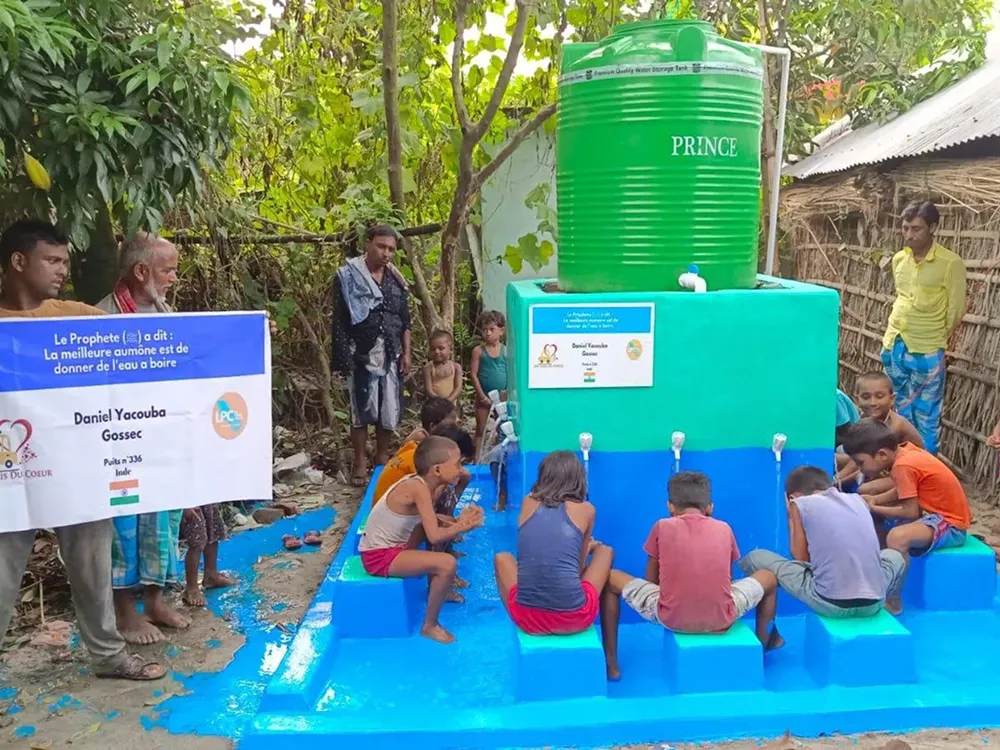
🛠️ Fully equipped system: fitted with an electric pump powered by a suitable energy source, 12 to 16 taps, and a storage tank, ensuring continuous and effortless water distribution.

🌱 A community living space: 12 to 16 built-in seating areas create a practical and welcoming space where users can wait comfortably.

🚀 Construction completed in up to 4 months: a well-structured project ensuring fast and sustainable commissioning for the benefit of the entire community.

✅ Advantages

  • High capacity: This model can serve up to 700 people, making it a collective solution suitable for villages and public spaces.

  • Practical distribution: Equipped with 5 taps, it allows multiple users to access water simultaneously, reducing waiting times.

  • Comfortable usage: Integrated seating provides a space suitable for families, the elderly, and community gatherings.

  • Adaptable pump: A manual or electric pump can be installed depending on the locally available resources.

  • Quick installation: Construction is completed in less than 3 months, with ready-to-use delivery.

⚠️ Disadvantages

  • Maintenance required: The pump and taps need regular monitoring to ensure proper functioning.

  • Energy dependency: If an electric pump is chosen, a stable power source (solar or grid) is necessary.

  • Higher cost: Its price is higher than simpler models due to the additional equipment and integrated infrastructure.

🔩 Perforated casing with screen: Made of steel or PVC depending on the soil type, it retains sand and impurities to ensure clear water from the point of capture.

📏 Deep drilling: Up to 80 meters, suitable for deep aquifers and providing a more stable water supply.

Electric pump: Powered by an appropriate energy source (grid or solar), it ensures a constant flow and reduces effort for users.

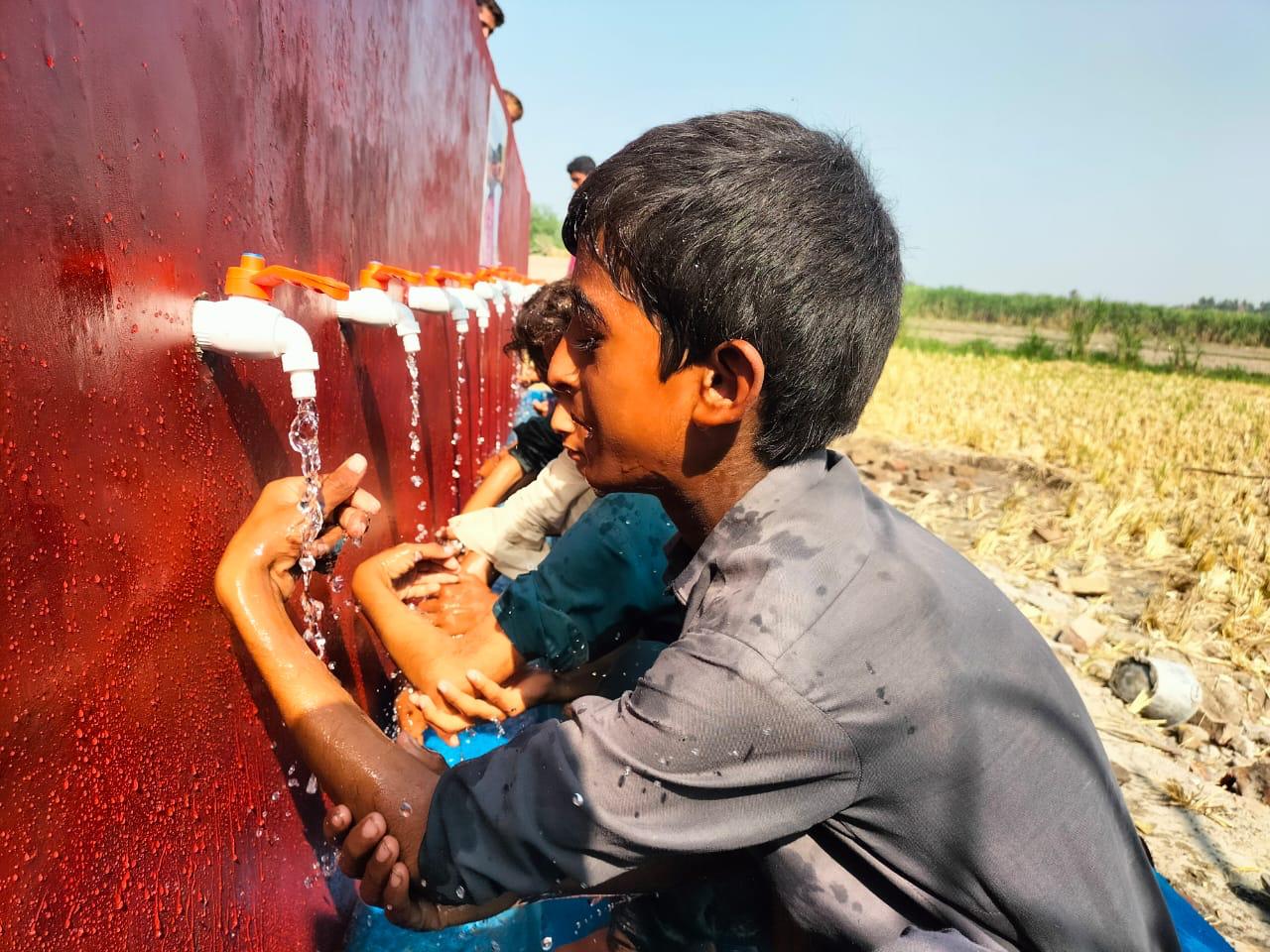
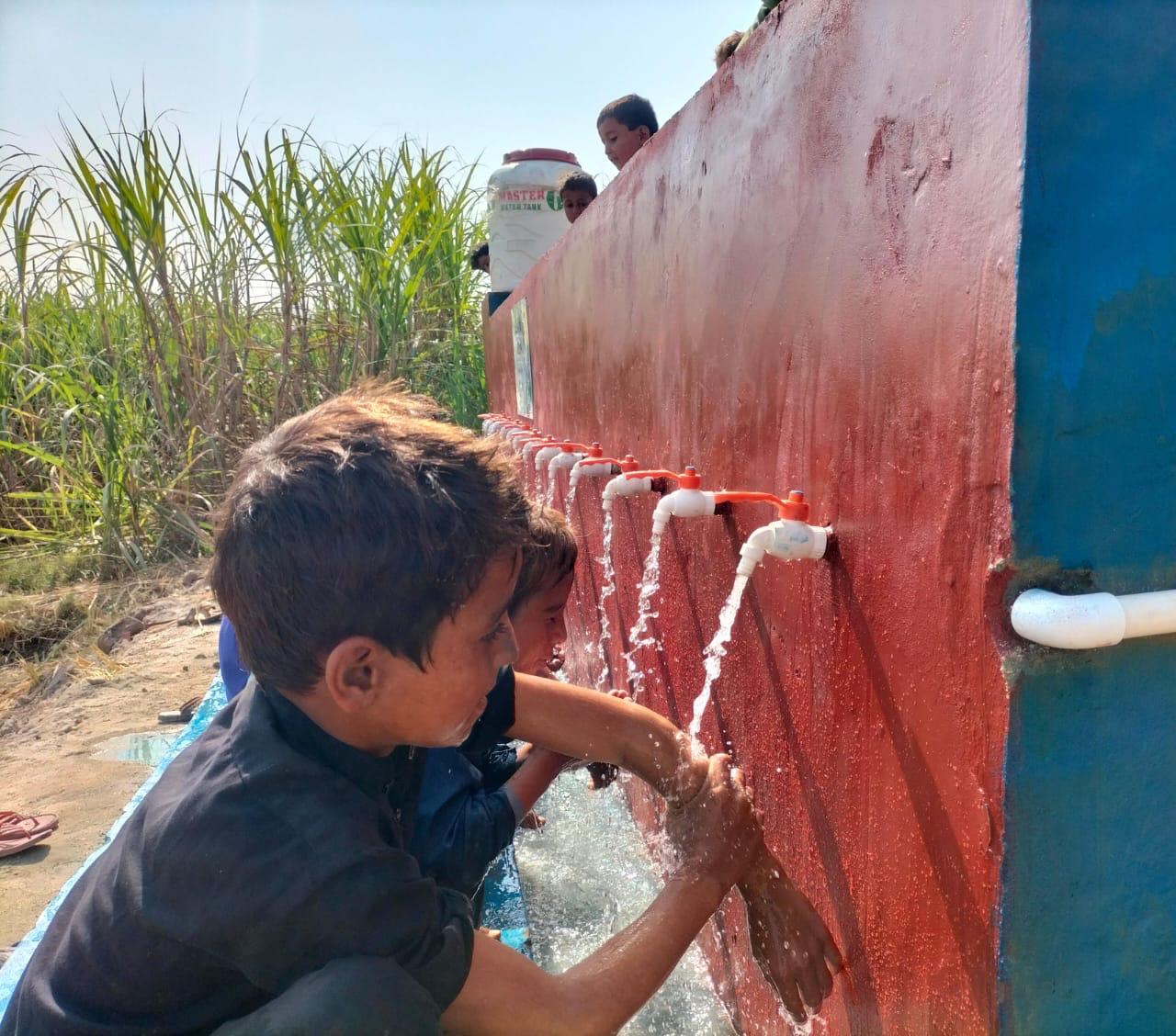
🚰 Optimized distribution: 12 to 16 taps allow multiple families to draw water simultaneously, improving access efficiency.

🪑 Integrated seating areas: 12 to 16 seats are provided around the structure, creating a practical and comfortable space, especially suited for communal areas.

👥 Exceptional capacity: Up to 900 beneficiaries can benefit from this well, making it ideal for villages, schools, or mosques.

⏱️ Construction timeline: Approximately 4 months, from drilling to full commissioning with pump, storage tank, and taps.

Join +20k customers already convinced!

Excellent!
[get_acf_subfield field="trustpilot" post_id="option" path="note"]

How It Works

1.

Online Order

Day 1
Main touchant smartphone avec icône de vérification.
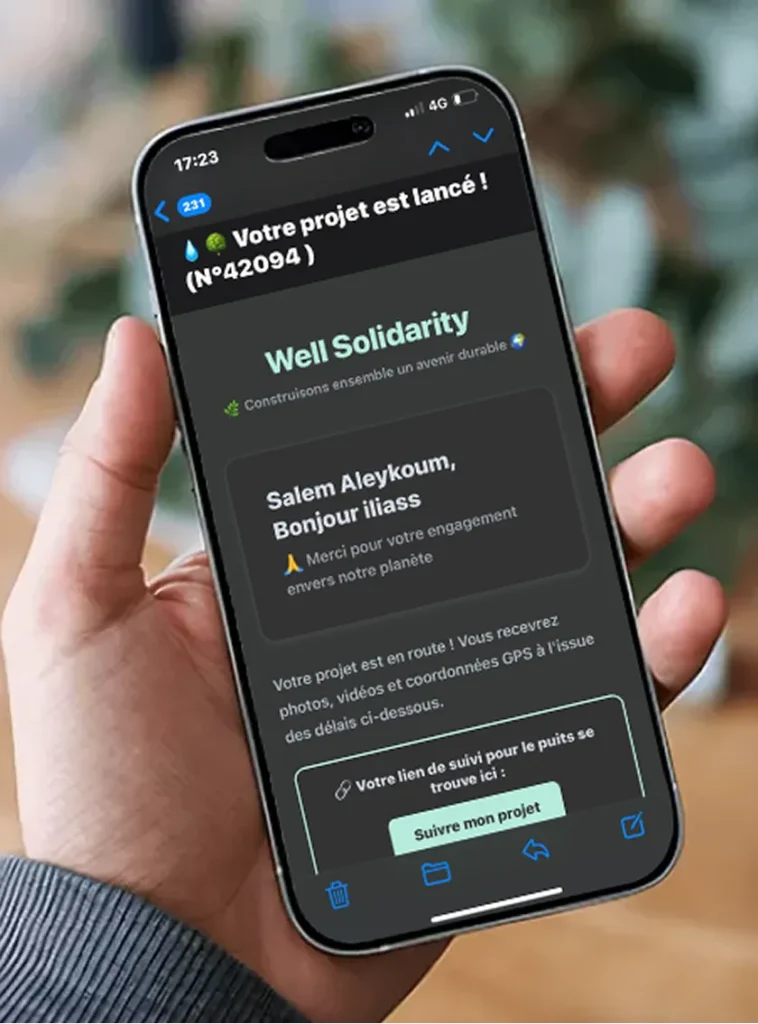
2.

Confirmation & Tracking

Days 3–4
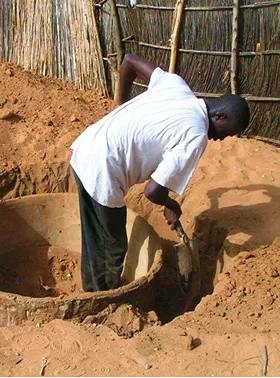
Personne creusant terre avec une pelle.
3.

On-Site Construction

Month 1 to Month 3
4.

Finalization & Delivery

End of Month 3 (max)

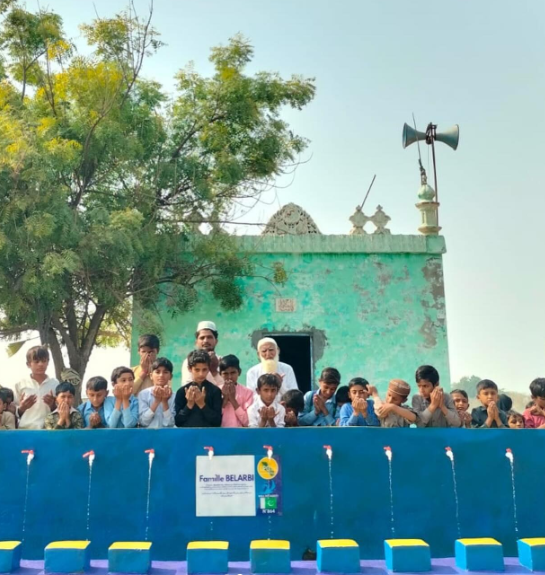
Some of our community wells💧

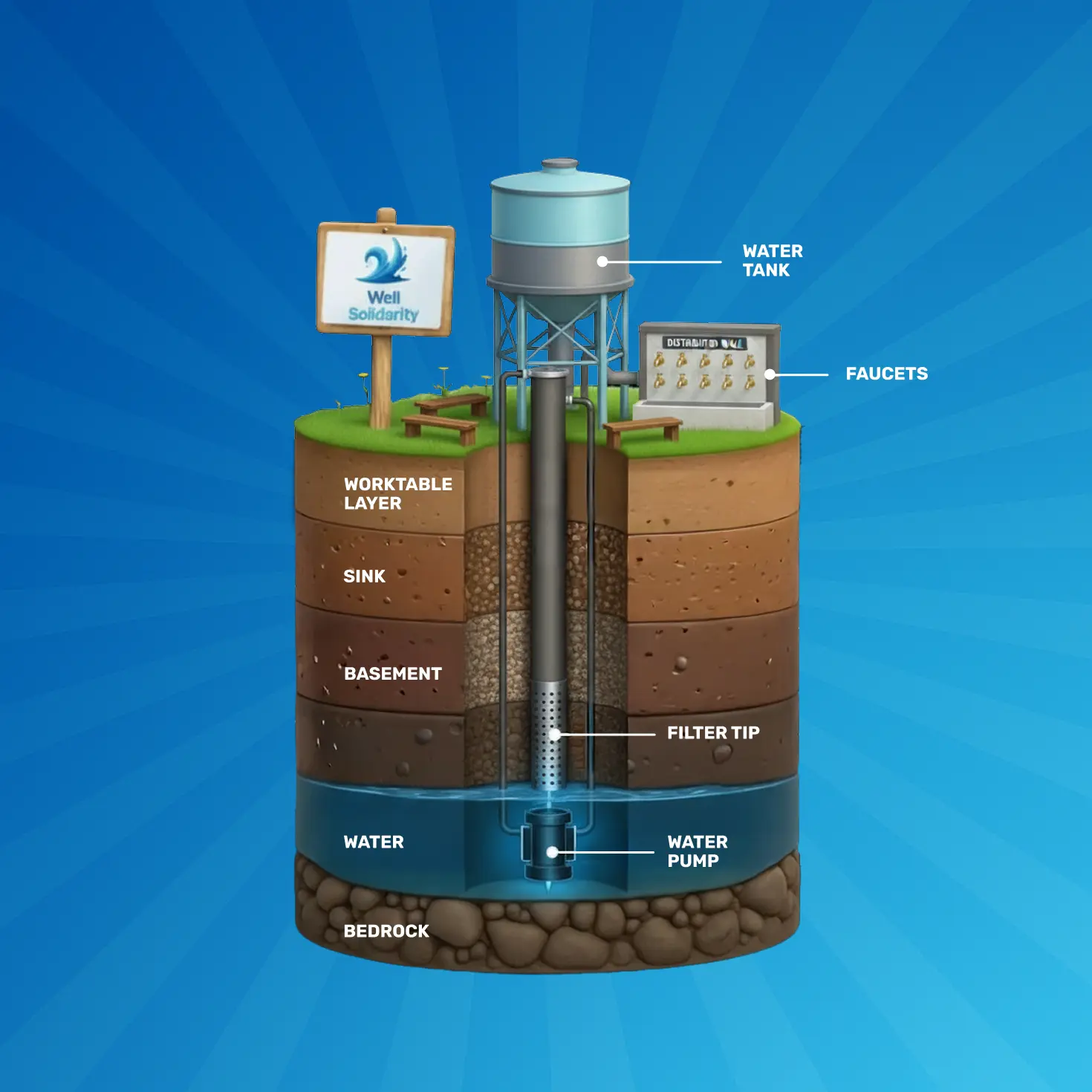
Features of the community well with storage tank💧

Un Puits Communautaire En

🛠️ Deep drilling: excavation up to 80 meters, reaching a more stable aquifer to ensure quality water year-round.

Electric pump: powered by an appropriate energy source (grid or solar), ensuring a steady flow and effortless distribution.

🚰 Multiple distribution points: 12 to 16 taps installed, allowing many users to access water simultaneously.

🪑 Integrated seating areas: 12 to 16 seats around the well provide comfort and convenience while waiting.

📏 Collective capacity: this model can serve up to 900 beneficiaries, meeting the water needs of villages, schools, or places of worship.

⏱️ Construction timeframe: commissioning is completed in up to 4 months, including drilling, pump installation, tank setup, and equipment installation.

Our protocol for building a community well💧

The team begins by analyzing the site to select the most suitable location. Local geology, groundwater depth, and site accessibility are carefully assessed.

A steel or PVC casing is installed to stabilize the well and protect the water from sand and impurities.

Drilling is carried out to approximately 80 meters to reach a stable aquifer capable of sustainably supplying a large community.

A pump, powered either by the electrical grid or solar energy depending on available resources, is installed to ensure a steady and continuous flow.

A water storage tank is connected to the system, providing a buffer to meet periods of high demand.

Between 12 and 16 taps are installed to allow simultaneous and smooth water distribution to multiple families.

12 to 16 seating areas are built around the well, providing comfort and convenience for users, especially the elderly and children.

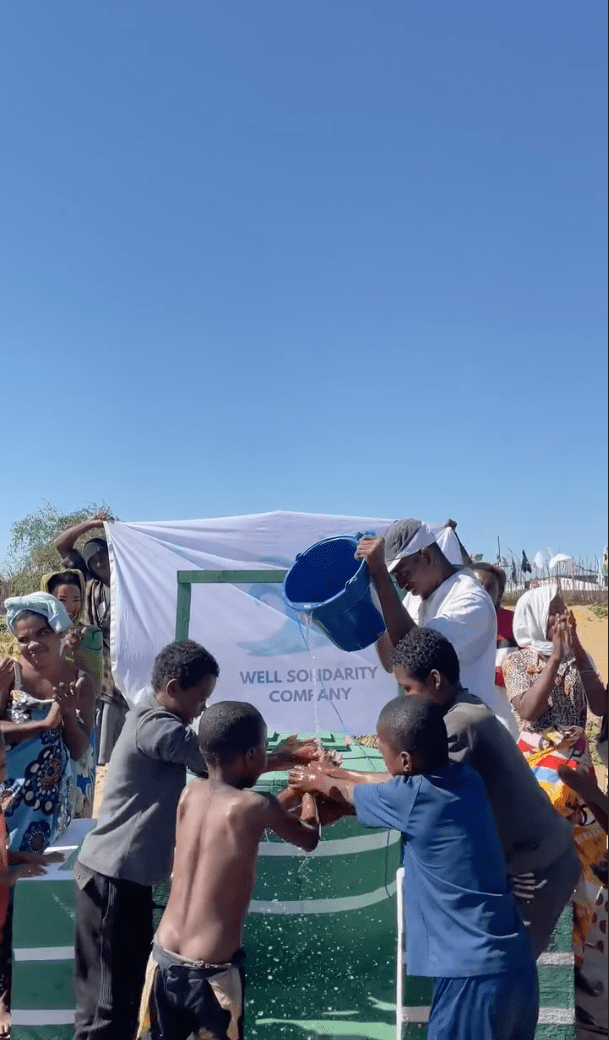
Water quality is tested, all equipment is inspected and secured, and the well is officially handed over, with GPS coordinates and maintenance instructions provided to the local community.

The Community Well: A Large-Scale Sadaqa jariya

Building a well for a large community is one of the most enduring forms of continuous charity. Its impact goes beyond simply providing access to water: it improves the health, hygiene, and quality of life for hundreds of beneficiaries.

According to a hadith reported by Muslim, the Prophet Muhammad (peace and blessings be upon him) said:

“When the son of Adam dies, his deeds come to an end except for three: a continuous charity (sadaqa jariya), beneficial knowledge, or a righteous child who prays for him.”

A community well fits perfectly into this category: as long as the water is used, the donor continues to earn rewards even after their death, through the service provided to the entire community.

Our Other Types of Wells 💧

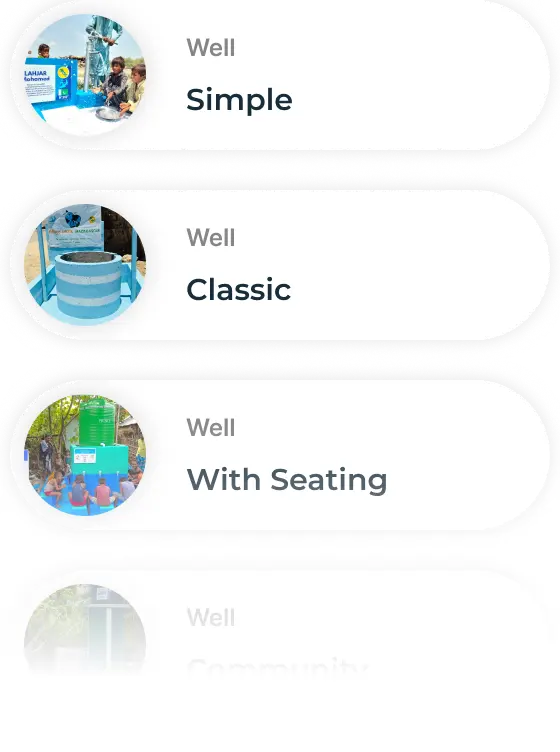
Well

Simple

[get_acf_subfield field="puits_simple" post_id="option" path="prix"]€
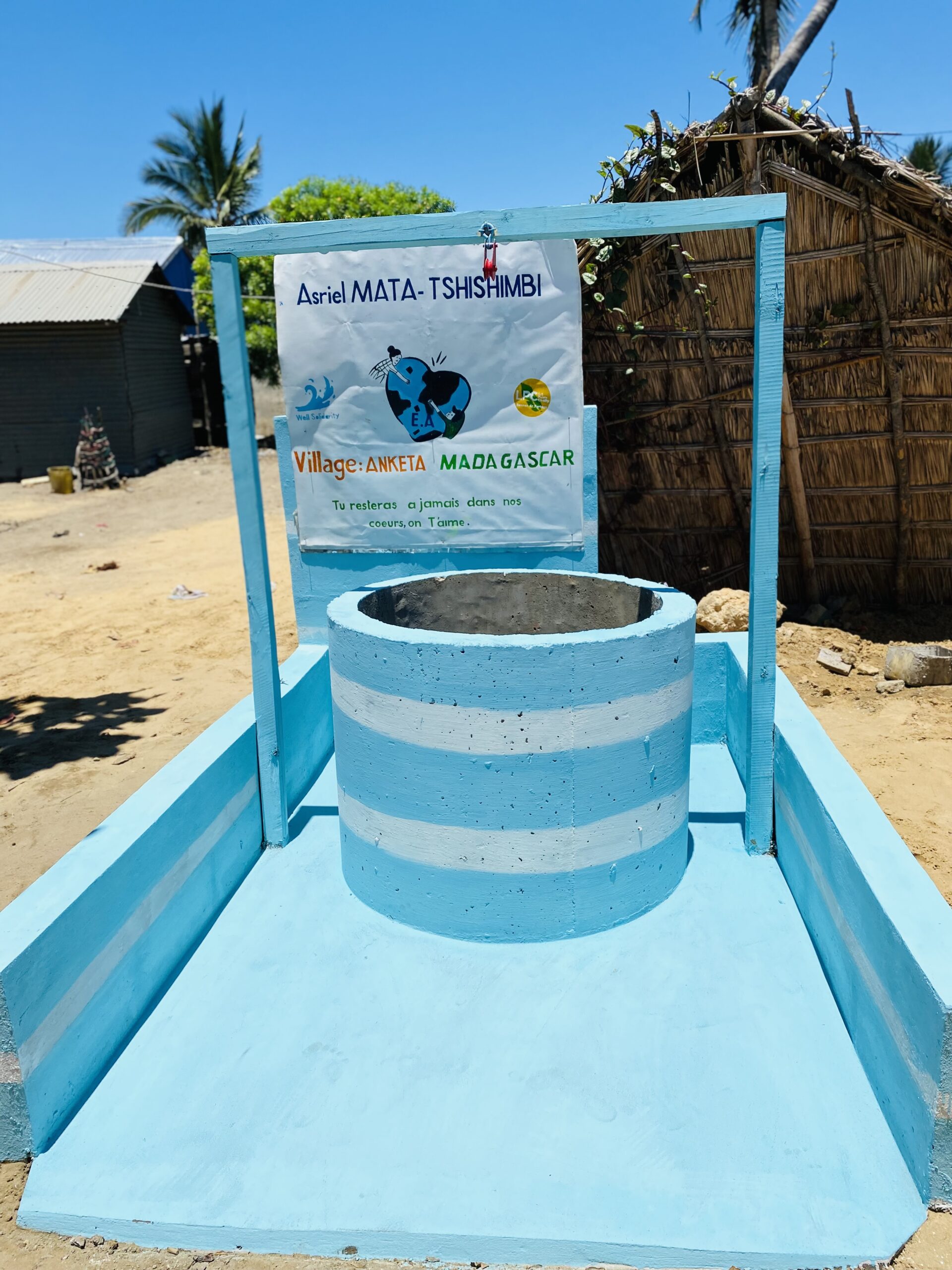
Puits bleu dans un village à Madagascar.
Well

Classic

[get_acf_subfield field="puits_classique" post_id="option" path="prix"]€
Enfants buvant à une fontaine communautaire.
Well
With Seating
[get_acf_subfield field="puits_places_assises" post_id="option" path="prix"]€
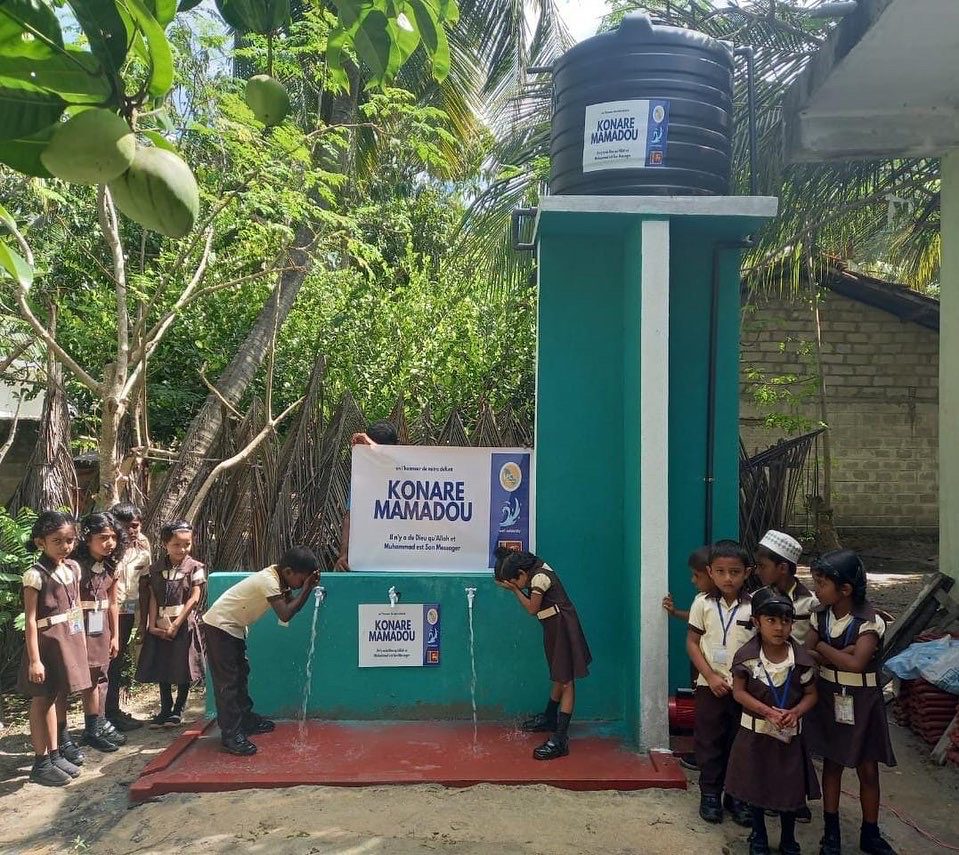
Enfants buvant d'une fontaine d'eau.
Well
Community
[get_acf_subfield field="puits_communautaire" post_id="option" path="prix"]€
[well_solidarity_addon_inline_script filename="wells-carousell-mobile-cart" ]

Frequently Asked Questions

Open your heart
And help those in need
How long does it take to build a community well?

The average construction time is approximately [get_acf_subfield field=”puits_communautaire” post_id=”option” path=”delais”], from site selection to full commissioning with pump, storage tank, and faucets.

This type of well is designed to serve up to [get_acf_subfield field=”puits_communautaire” post_id=”option” path=”nombre_beneficiaires”] beneficiaries, making it ideal for large villages, schools, and mosques.

It combines deep drilling (up to 80m), an electric pump, a storage tank, 12 to 16 faucets, and seating areas. It is the most complete option to meet the needs of an extended community.

The storage tank acts as a buffer: it keeps a water reserve to meet high demand or maintain distribution during temporary pump outages.

Yes, the water is analyzed and tested before commissioning to ensure it is clean and suitable for daily consumption.

Yes. The Prophet Muhammad (peace and blessings be upon him) said:

“When a person dies, all their deeds come to an end except for three: ongoing charity (sadqa jariya), beneficial knowledge, or a righteous child who prays for them.”

A community well falls into this category because its benefits continue as long as the water is used by the population.

The pump, tank, and faucets require regular technical maintenance. The local team receives guidance to ensure proper functioning and long-term durability of the installation.

It meets much larger collective needs: it can serve up to 900 people, provides multiple access points to water, and guarantees a reserve through the storage tank. It is the most sustainable solution for large communities.